

Redefining Roles and Responsibilities with Humanology
The leadership meeting at Apex Dynamics was filled with frustration.
“Why are deadlines always slipping?” demanded Mr. Zahir, the CEO. “We have talented people, yet every project feels like a tug-of-war. No one knows who’s responsible for what.”
Ms. Aida, the HR Manager, sighed. “That’s the problem, Zahir. Our roles and responsibilities are too vague. Everyone is trying their best, but there’s no clarity. Tasks fall through the cracks, and accountability is a mess.”
Zahir leaned forward. “We need to fix this now. Aida, bring in someone who can untangle this chaos and set us up for success.”
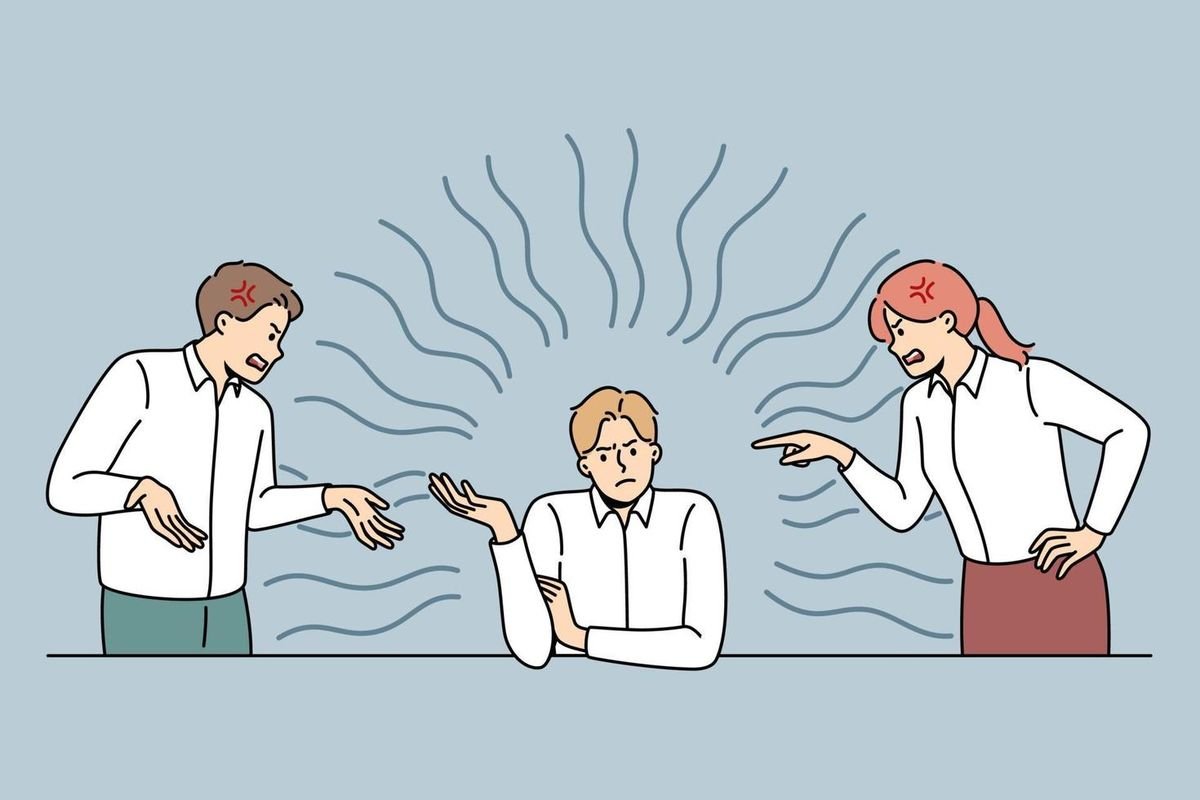
The Diagnosis: A Workforce in Chaos
Enter Humanology, led by the experienced and strategic Datuk Dr. Leow. From the very first meeting, Dr. Leow identified the root cause of Apex Dynamics’ struggles.
“Roles and responsibilities aren’t just job descriptions,” he explained. “They’re the foundation of collaboration, efficiency, and accountability. Let’s start by mapping out where things are going wrong.”
Humanology conducted a detailed analysis, including interviews, workflow assessments, and surveys. The findings were alarming:
- Role Overlaps: Multiple employees were handling the same tasks, leading to inefficiencies and conflicts.
- Responsibility Gaps: Critical functions were being ignored because no one owned them.
- Lack of Role Clarity: Employees were unsure about their primary responsibilities, creating confusion and frustration.
During a review session, Aida was shocked. “I knew we had issues, but I didn’t realize it was this bad. We’ve been setting our teams up to fail.”
Zahir frowned. “This ends now. Let’s fix it before we lose more ground.”

The Suspense: Resistance to Redefining Roles
Humanology proposed a Role and Responsibility Design Framework to address the chaos. However, resistance emerged quickly.
At a team meeting, one employee voiced concerns. “What if this means more work for us? Or worse, what if we lose our jobs?”
Dr. Leow addressed the team with empathy. “This process isn’t about adding work or cutting roles—it’s about giving everyone clarity and purpose. When you know exactly what’s expected of you, your work becomes more impactful.”
Another manager asked, “What if this disrupts the way we’ve been working for years?”
“Change is always challenging,” Dr. Leow replied, “but the status quo isn’t working. This redesign will help you work smarter, not harder.”
The Climax: Building a New Foundation
Humanology rolled out the Role and Responsibility Design Framework in phases:
- Role Mapping
Every employee’s tasks were documented, analyzed, and streamlined to identify overlaps and gaps. During one workshop, an employee admitted, “I didn’t realize I was duplicating work with another department. No wonder we’ve been so slow.” - Responsibility Redesign
Humanology worked with department heads to redefine responsibilities for each role, ensuring alignment with company goals. They introduced tools like RACI (Responsible, Accountable, Consulted, Informed) matrices to clarify accountability.
Aida commented, “This matrix is brilliant. It’s the clarity we’ve been missing.” - Communication and Implementation
Employees were briefed on the changes through workshops and one-on-one meetings. Personalized transition plans ensured everyone understood their new roles and felt supported.
The process wasn’t without challenges. In the first month, a team leader struggled to adapt to the new structure, causing delays. Humanology intervened with coaching sessions to help him transition successfully.

The Resolution: Clarity and Accountability Restored
Three months later, the transformation was evident:
- Efficiency Improved: Project timelines improved by 30% due to clear accountability and reduced overlaps.
- Employee Satisfaction Increased: Clarity in roles led to less frustration and more confidence in daily tasks.
- Collaboration Strengthened: Teams worked seamlessly, knowing exactly who was responsible for what.
At the final review meeting, Zahir was impressed. “We’ve turned a corner. For the first time, everyone is rowing in the same direction.”
Aida added, “Humanology didn’t just fix our roles—they fixed our culture. People feel empowered and aligned with our goals.”
Dr. Leow concluded, “When roles and responsibilities are clearly defined, organizations don’t just function—they thrive. Apex Dynamics is now set to achieve its full potential.”