

The Story
Aisyah works as a customer service officer in a busy retail outlet in Kuala Lumpur. Her shift officially runs from 9.00 a.m. to 6.00 p.m., with a one-hour break for lunch. But in reality, her “lunch break” often disappears.
Some days, her supervisor calls her back after just 10 minutes to cover the counter. Other times, she is told to “eat later” when the outlet is crowded, but later never comes. On particularly bad days, she works from morning until evening with nothing more than a few sips of water.
One day, when she politely reminded her supervisor that she had not taken her break, he snapped: “We are busy—company comes first. If you care so much about breaks, maybe this job is not for you.”
Humiliated, Aisyah wondered: Am I wrong to demand respect for my lunch break? Or does the law say I’m entitled to it?
The Law
Malaysia’s Employment Act 1955 (Act 265, as amended 2022) provides clear protections for employees when it comes to rest and meal times.
1. Hours of Work
- Section 60A(1) limits normal working hours to 45 hours per week. This does not include breaks.
2. Rest Periods During Work
- Section 60A(1)(d) is very specific:
- An employee shall not be required under his contract of service to work for more than five consecutive hours without a period of leisure of not less than 30 minutes.
- This means employees are legally entitled to at least a 30-minute break for every 5 hours worked continuously.
3. No Substitution With Wages
- Employers cannot “buy out” rest breaks by saying they will pay extra. Breaks are about health, not money.
4. Health and Safety Considerations
- Under the Occupational Safety and Health Act 1994 (OSHA), employers have a duty to protect the health and welfare of employees. Denying breaks risks fatigue, dehydration, and accidents.
5. Enforcement and Remedies
- If an employer consistently denies rest breaks, employees may file a complaint with the Jabatan Tenaga Kerja (JTK).
- The Director General of Labour has powers under Section 69 of the Employment Act to investigate and order compliance.
Why Breaks Matter
The law is not just about numbers—it reflects medical and social reality:
- Breaks allow employees to rest physically, especially in demanding jobs.
- They protect mental health, reducing stress and burnout.
- They ensure better service to customers, as exhausted staff cannot perform well.
- They recognise human dignity: workers are not machines that run endlessly.
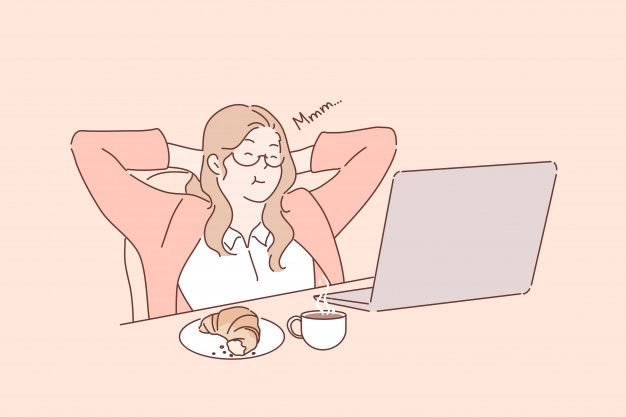
Thus, when Aisyah asks for her lunch break, she is not being difficult—she is invoking her lawful right to rest.
Lessons
For Employees:
- Know your rights. You are entitled to at least 30 minutes of rest after 5 consecutive hours of work. If your shift is 9–6, you should have a lunch break.
- Be assertive but professional. Remind your supervisor respectfully that the law requires breaks.
- Document violations. If breaks are regularly denied, keep a log. This is evidence if you decide to report to JTK.
- Health comes first. Skipping meals and rest leads to long-term harm. Standing up for your break is standing up for your wellbeing.
For Employers:
- Respect rest periods. Breaks are a legal obligation, not a favour. Denying them risks legal penalties and low morale.
- Plan staffing. Busy businesses should schedule shifts to cover lunch periods without forcing employees to work through them.
- Lead by example. Managers who respect breaks foster a healthier, more loyal workforce.
- Remember productivity. Well-rested employees are more productive than exhausted ones.
For HR Practitioners:
- Design fair schedules. Build rosters that balance customer demand with employee rest.
- Educate line managers. Many supervisors wrongly think breaks are optional. Training ensures compliance.
- Monitor practices. HR should conduct spot checks to ensure policies are followed in reality, not just on paper.
- Handle grievances properly. Employees who raise break issues should not be punished. Retaliation may amount to unfair treatment under the law.
Conclusion
So, is Aisyah wrong to demand respect for her lunch break? The answer is no—she is absolutely right.
The Employment Act 1955, Section 60A(1)(d), clearly entitles employees to a minimum of 30 minutes of rest after 5 consecutive hours of work. Employers who deny this violate the law and risk penalties. The Occupational Safety and Health Act 1994 further reinforces the employer’s duty to safeguard employee welfare.
For employees, the lesson is to know your rights and assert them respectfully. For employers, the lesson is that respecting breaks is not only a legal duty but also a moral and practical one. For HR, the lesson is to ensure compliance in daily operations, not just policy manuals.
Every worker deserves dignity, and that includes time to eat and rest. Lunch breaks are not luxuries—they are legal entitlements and human necessities. Demanding respect for them is not wrong. In fact, it is standing up for the very principle that work should respect life, not consume it.
In short: Your lunch break is protected by law. Respecting it is respecting your dignity as a worker.