
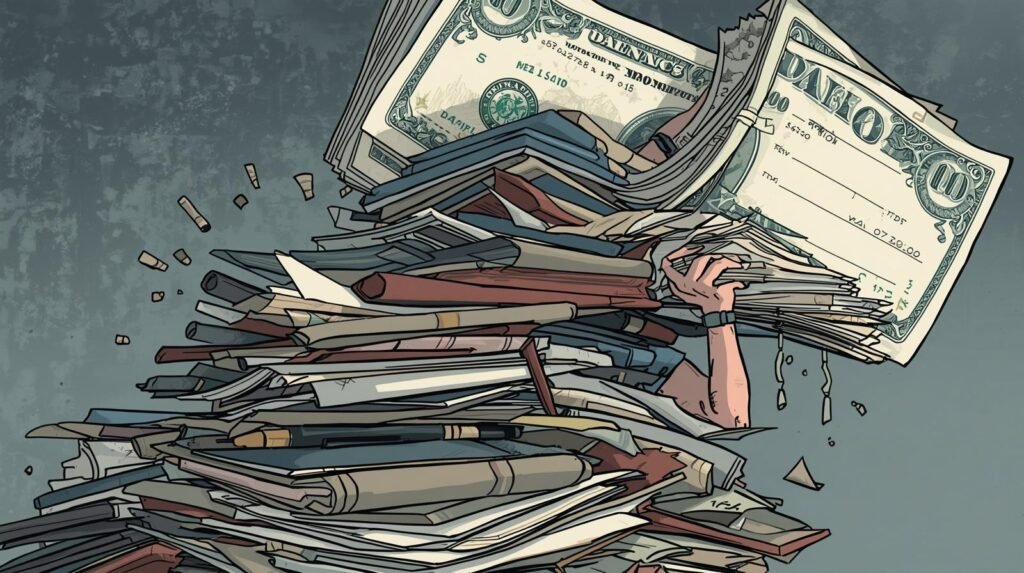
Rahim had worked in his company for seven years. Each year, as the workload grew heavier, he told himself the long nights and weekends would be worth it when bonus time came. After all, it was company tradition to reward staff generously for their sacrifices.
But recently, Rahim noticed a troubling trend. His workload doubled—more clients, more targets, more stress—but his bonus kept shrinking. From two months’ salary, it dropped to one month, and then to just half a month. This year, it was even less. Rahim was frustrated. “I work harder than ever, yet my bonus keeps getting smaller. Isn’t there a law to protect employees’ bonuses?”
The Law
In Malaysia, the legal framework for wages and benefits is largely set by the Employment Act 1955 (Act 265, as amended 2022) and, in certain cases, by collective agreements or company contracts. When it comes to bonuses, however, the position is nuanced.
1. Wages vs. Bonus
- The Employment Act defines “wages” as basic remuneration and certain allowances payable under a contract of service.
- Bonus is not automatically considered wages unless it is expressly provided for in the employment contract, collective agreement, or company policy.
- This means: if your contract states you are entitled to a “13th month salary” or “one month guaranteed bonus,” then it becomes a legal entitlement. If the company fails to pay, you can lodge a complaint with the Labour Department (JTK).
2. Discretionary Bonus
- If your contract or handbook states that the bonus is discretionary or “subject to company performance” or “management decision,” then legally, the employer has the right to reduce or even withhold it.
- Courts in Malaysia have consistently upheld that discretionary bonuses are not enforceable, as long as the employer acts in good faith and within contractual terms.
3. Industrial Relations Act 1967
- Employees covered by collective agreements (usually in unionised workplaces) may have bonus terms negotiated by the union. In such cases, the company is bound to pay what is agreed.
- If the company breaches the agreement, the matter can be referred to the Industrial Court under Section 20 or through trade dispute procedures.
4. Misrepresentation or Unfair Labour Practice
- While there is no law guaranteeing annual bonuses, if the employer consistently makes promises of a fixed bonus but later reneges, employees may argue unfair labour practice. However, these cases depend heavily on evidence of promises, company precedent, and whether the bonus was truly discretionary or contractual.

Lessons
For Employees:
- Read your contract carefully. Check if the bonus is contractual (guaranteed) or discretionary. A guaranteed bonus is legally enforceable; a discretionary one is not.
- Understand company policies. Some companies have performance-based bonus schemes tied to KPIs. If the criteria are transparent, you may challenge unfair application, but you cannot demand more than the scheme promises.
- Do not confuse tradition with entitlement. Even if the company historically paid two months’ bonus, unless it is written in your contract or collective agreement, it remains discretionary.
- Seek clarification. Employees have the right to ask HR about the basis for bonus calculation, especially if workloads have increased significantly.
For Employers:
- Be transparent. If bonuses are truly discretionary, communicate this clearly to employees. Ambiguity leads to disputes and mistrust.
- Avoid moving the goalposts. If you implement performance-based schemes, ensure criteria are consistent and not changed midway.
- Recognise morale impact. While the law allows discretion, shrinking bonuses amidst growing workloads may hurt retention and productivity.
- Align policies with the Employment Act. If bonuses are promised in contracts, they become wages under the Act and must be honoured.
For HR Practitioners:
- Document policies. Make sure the employee handbook clearly distinguishes between contractual bonuses (mandatory) and discretionary ones (management’s decision).
- Educate managers. Many disputes arise because managers promise bonuses casually. These promises can later be used against the company if employees feel misled.
- Balance fairness. While bonuses are not guaranteed by law, fairness in distribution goes a long way in sustaining trust.
Conclusion
So, is there a law that protects employees when bonuses shrink despite heavier workloads? The honest answer is: No law guarantees annual bonuses in Malaysia unless they are explicitly written into your contract or collective agreement.
- If the bonus is contractual or guaranteed, the law protects you, and failure to pay is a breach of the Employment Act.
- If the bonus is discretionary, the employer has the right to reduce or withhold it, even if workloads have increased.
For employees like Rahim, the lesson is to separate legal entitlements from company traditions. Hard work may deserve reward, but the law only enforces what is written. For employers, the lesson is that discretion should be exercised fairly and communicated clearly. Discretion without fairness may not break the law, but it may break employee loyalty.
In short: Workloads may double, but bonuses are only legally protected if they are promised in black and white.