

The Story
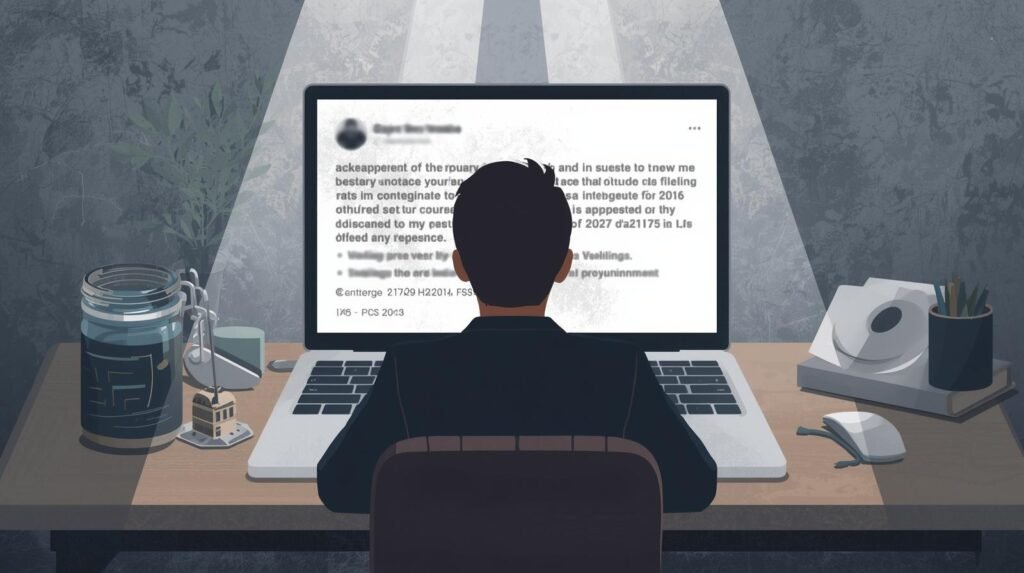
Lina, a junior executive in a financial services company, had always been active on social media. She shared updates about her daily life, from lunch outings to work frustrations. One evening, while working late, she took a photo of her computer screen showing some client information and posted it on Instagram with the caption: “So stressed—these accounts are killing me!”
The next day, her manager called her in. The company’s IT department had discovered the post, and senior management was alarmed. The information she had shared was confidential and could damage client trust if it spread. By lunchtime, Lina was handed a show-cause letter, asking why disciplinary action should not be taken.
Shocked, Lina asked herself: Can I really be fired just for posting on social media? Isn’t it my personal account and my personal life?
The Law
In Malaysia, employment law and court decisions make it clear: sharing secret or confidential company information on social media can be serious misconduct that justifies dismissal.
1. Employment Act 1955 (Act 265)
- While the Act does not specifically mention social media, Section 14 empowers employers to dismiss an employee without notice if guilty of misconduct, after due inquiry.
- Misconduct is not exhaustively defined, but it includes dishonesty, negligence, insubordination, and behaviour inconsistent with the employment relationship.
- Revealing confidential information can be classified as misconduct because it breaches trust.
2. Common Law Duty of Fidelity
- Employees have an implied duty of fidelity and good faith toward their employer.
- This duty requires them to act in the best interests of the company, not to disclose confidential information, and not to damage the company’s reputation.
- Breaching this duty—even outside working hours—can amount to misconduct.
3. Confidential Information and Trade Secrets
- Many employment contracts and company handbooks include clauses on confidentiality.
- Posting secret company data online may not only breach these contracts but also expose the company to regulatory or client liability.
- Employers can therefore argue that dismissal is necessary to protect business interests.
4. Industrial Relations Act 1967 (IRA)
- Under Section 20, employees dismissed without “just cause or excuse” may challenge the dismissal at the Industrial Court.
- The Court will assess whether the dismissal was proportionate.
- In cases involving confidential data breaches, the Court has often sided with employers, ruling that such conduct destroys trust and justifies termination.
5. Case Examples
- In Malaysian Industrial Court awards, employees dismissed for sharing sensitive company information or disparaging their employer online have generally lost their cases.
- The courts consider social media posts to be public acts, regardless of privacy settings.
Why Social Media Posts Matter
Some employees believe that what they post on personal accounts is private. But in law and in practice:
- Social media platforms are public forums. Even with privacy settings, posts can be shared or screenshotted.
- The reputational harm to a company can be immediate and widespread.
- Confidential data posted online may breach client agreements, contracts, or even regulatory laws (especially in finance, healthcare, or government sectors).
Thus, employers are entitled to treat such breaches very seriously.
Lessons
For Employees:
- Think before posting. Assume that anything you post online could be seen by your employer, clients, or regulators.
- Respect confidentiality. Never post client information, internal documents, or company data. Even indirect references can breach trust.
- Understand misconduct. Misuse of social media is now recognised by the Industrial Court as potential grounds for dismissal.
- Separate personal from professional. Keep online activity professional when it touches on your workplace.
For Employers:
- Have clear policies. Draft a Social Media Policy that outlines what employees can and cannot share. Ensure employees are trained on it.
- Investigate fairly. Before dismissal, issue a show-cause letter and conduct a domestic inquiry. Arbitrary dismissal without process can be ruled unfair.
- Proportionate action. Consider the seriousness: was it a minor careless post or a major leak of sensitive data? The response should fit the gravity.
- Educate staff. Many employees genuinely do not realise the risks. Regular training reduces incidents.
For HR Practitioners:
- Align contracts. Include confidentiality clauses and social media expectations in employment contracts.
- Track risks. Monitor where breaches occur and identify departments needing extra awareness.
- Balance discipline with fairness. Not every mistake warrants dismissal—sometimes a warning is more appropriate, unless trust has been irreparably broken.
Conclusion
So, can Lina really be fired for posting about secret company data on social media? The answer under Malaysian law is yes—if her post disclosed confidential information, it can be treated as serious misconduct.
The Employment Act 1955 allows dismissal for misconduct after due inquiry. The Industrial Court has consistently upheld terminations where employees breached confidentiality or damaged their employer’s reputation online.
For employees, the lesson is simple: social media is not private, and the duty of loyalty to your employer extends beyond office walls. For employers, the lesson is to set clear boundaries, educate staff, and follow due process before disciplining.
At its heart, the issue is about trust. Employment is a relationship built on confidence. When secret data is posted publicly, that trust is broken. The law protects the employer’s right to act, but it also requires fairness in procedure.
In short: Yes, you can be fired for posting secret company data online. The law protects confidentiality, because once trust is gone, the employment relationship cannot survive.