
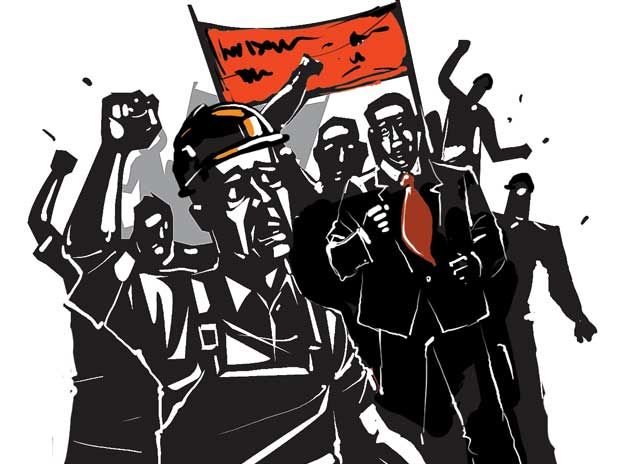
The Story
Hassan had been a technician in a manufacturing company for more than a decade. He had seen colleagues dismissed without notice, shifts extended without proper overtime pay, and safety concerns ignored. When he and a group of colleagues joined a registered trade union to collectively raise their voices, he thought things would improve.
Instead, his supervisor began treating him coldly. Suddenly, Hassan was left out of meetings. Promotion opportunities disappeared. His manager whispered to others: “Careful, he’s in the union. He’s a troublemaker.”
Hassan was not trying to create conflict. He only wanted fairness—better safety gear, proper overtime, and transparent promotions. Yet he was painted as a disruptor. He began to ask himself: Why do employers so often see union members as troublemakers? And does the law in Malaysia protect him from such unfair treatment?
The Law
Malaysia has a clear legal framework protecting trade union rights, mainly through the Trade Unions Act 1959 (Act 262) and the Industrial Relations Act 1967 (Act 177).
1. Right to Join a Union
- Section 4(1) of the Industrial Relations Act 1967: Every workman has the right to join a trade union of his choice.
- This is a fundamental right—employees cannot be prevented from union membership.
2. Prohibition Against Retaliation
- Section 5(1) of the IRA forbids employers from interfering with, restraining, or coercing employees in exercising their union rights.
- Section 5(2) makes it an offence for employers to:
- Dismiss or threaten dismissal because of union membership.
- Discriminate against employees to discourage union involvement.
- Intimidate employees to withdraw from union activities.
3. Remedies
- If retaliation occurs, employees may lodge a complaint with the Director General of Industrial Relations (DGIR).
- Cases can be referred to the Industrial Court.
- The Court may order reinstatement or compensation if it finds dismissal or discrimination was linked to union activity.
4. Trade Unions Act 1959
- This Act governs the registration and functioning of unions. It recognises unions as lawful organisations representing workers’ collective interests.
- Once recognised by the employer, unions can negotiate collective agreements that are legally binding.
Why Employers View Unions Negatively
Despite legal protections, many employers still treat union members as “troublemakers.” Several factors explain this perception:
1. Fear of Losing Control
Employers worry that unions challenge their authority. Instead of dealing one-on-one with employees, management must now negotiate with a collective voice that may resist unfavourable policies.
2. Cost Concerns
Union demands often involve higher wages, better benefits, or safer working conditions—all of which may increase costs. Employers may see unions as threats to profitability.
3. Stereotypes of Militancy
Some employers associate unions with strikes or industrial action. Even though strikes are rare and tightly regulated in Malaysia, the stereotype of unions as “anti-management” persists.
4. Lack of Awareness
Many managers lack training in industrial relations law. They assume unions are disruptive rather than recognising them as lawful partners in collective bargaining.
5. Cultural Factors
In some workplaces, especially non-unionised sectors, loyalty is equated with silence. Workers who voice concerns collectively are seen as disloyal, when in fact they are exercising their rights.

Lessons
For Employees and Union Members:
- You are not troublemakers. The law recognises your right to join and participate in unions.
- Act responsibly. Unions must also follow lawful procedures. Irresponsible or aggressive tactics can reinforce negative stereotypes.
- Keep records. If you face discrimination, document every incident—emails, transfer orders, performance reviews. These can be vital in Industrial Court cases.
- Seek redress. Do not remain silent. The DGIR and Industrial Court exist to enforce protections against retaliation.
For Employers:
- Understand the law. Interfering with union activity is unlawful under Section 5 of the IRA. Retaliation risks heavy penalties and reinstatement orders.
- See unions as partners, not enemies. Unions can provide valuable feedback, highlight risks early, and help resolve disputes before they escalate.
- Promote dialogue. Regular meetings with union representatives can build trust and avoid adversarial relationships.
- Protect reputation. In an era of social media, being labelled “anti-union” damages employer branding and makes talent attraction harder.
For HR Practitioners:
- Educate management. Train supervisors on workers’ rights under the IRA and Trade Unions Act. Ignorance is no defence in court.
- Build joint committees. Encourage consultation platforms where unions and management can collaborate.
- Support fairness. HR should prevent discrimination against union members—transfers, promotions, and appraisals must be merit-based, not politically motivated.
- Anticipate disputes. Where unions exist, HR should prepare for structured negotiations rather than avoid them.
Conclusion
So, why do employers treat trade union members as troublemakers? The short answer is fear—fear of losing control, fear of higher costs, and fear of collective resistance. But this fear is based on perception, not law.
The Industrial Relations Act 1967 and the Trade Unions Act 1959 enshrine the right to union membership. Section 5 of the IRA makes retaliation unlawful. The Industrial Court has repeatedly ruled against employers who punish workers for union activity.
For employees, the lesson is to know your rights and not accept intimidation. For employers, the lesson is that unions are not enemies but lawful partners in shaping fair workplaces. For HR, the lesson is to bridge the gap—ensuring both sides engage constructively rather than clash destructively.
At its heart, trade unions exist to uphold dignity and fairness. Workers like Hassan join unions not to create trouble but to seek justice, safety, and respect. Employers who brand them as troublemakers misunderstand both the law and the spirit of industrial harmony.
In short: Trade unions are not about trouble—they are about balance. And the law protects that balance by ensuring every worker’s voice can be heard without fear.